When you’re putting together a gift hamper, the first thing you want to focus on is the presentation—plush ribbons, a charming card, and a mix of treats that will delight the recipient. But beneath that glossy surface lies a silent hazard: items that are not properly labeled with allergens. Even a single mislabeled product can turn a thoughtful gift into a health risk. This article will guide you through the practical steps of spotting, managing, and ultimately preventing allergen surprises in your gift hampers.
Understanding the Allergen Labeling Landscape
Allergen labeling is governed by strict regulations in most countries. In the United States, the Food Allergen Labeling and Consumer Protection Act (FALCPA) mandates that foods containing any of the “major eight” allergens—milk, eggs, fish, crustacean shellfish, tree nuts, peanuts, wheat, and soybeans—must be declared on the label. However, the enforcement of these rules depends heavily on the manufacturer’s diligence and the retailer’s oversight.
- Key takeaways Labels must list allergens in plain text, not just in a separate “Allergens” section. “Contains” is the safest phrasing; “may contain” can still trigger reactions. Even “free from” claims can be misleading if cross‑contamination occurs during production.
The devil is in the details, and a single misprint can make a difference between a safe gift and a dangerous one.
Risks of Unlabeled Allergen Items in Gift Hampers
Imagine opening a hamper to find a jar of honey, only to discover it contains traces of tree nuts. The reaction could be mild, but for someone with a severe allergy, it might be life‑threatening. The risk is not limited to the product itself; packaging, storage, and handling all play a role.
- Why the risk matters Unexpected exposure: Allergic individuals may unknowingly consume a hidden allergen. Legal consequences: Businesses can face lawsuits and fines for failing to label correctly. Reputational damage: A single incident can tarnish a brand’s image for years.
So, the next time you’re assembling a hamper, ask yourself: Am I sure every item is safe for the recipient?
Practical Steps to Handle Unlabeled Items
Inspecting the Contents
The first line of defense is a meticulous inspection. Before sealing the hamper, open each package and read the label carefully. Look for:
- Explicit allergen declarations Ingredients that hint at hidden allergens (e.g., “almond milk” in a chocolate bar) Any “may contain” warnings
If a label is missing or ambiguous, treat the item as potentially hazardous.
Contacting the Supplier
When in doubt, reach out to the supplier or manufacturer. Most reputable companies will provide a detailed ingredient list and allergen information upon request. Keep a record of this communication; it can be useful if any issues arise later.
Safe Storage and Labeling
Once you’ve verified the contents, take steps to keep the hamper safe:

- Separate allergen‑free items from those that contain common allergens. Use clear, visible labels on each package, especially if the original label is unclear. Store the hamper in a cool, dry place to prevent spoilage, which could further complicate allergen identification.
A simple practice is to add a small card that reads, “All items are allergen‑free unless otherwise noted.” It’s a small gesture that can prevent big headaches.
Creating Your Own Allergen-Friendly Gift Hamper
Choosing Safe Ingredients
If you’re assembling a hamper from scratch, start with ingredients that are naturally allergen‑free or have been certified allergen‑free. Consider:
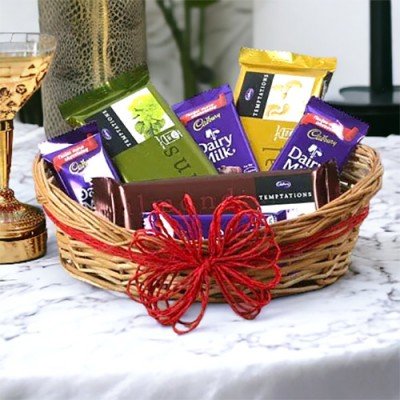
- Fresh fruit and dried fruit (without added nuts). Organic honey (be wary of cross‑contamination). Gluten‑free crackers or rice cakes. Dairy‑free chocolate (check for soy or nut content).
Custom Labeling Tips
A well‑labeled hamper is a confidence booster for the recipient. Here’s how to do it right:
- Use a consistent font and size for all labels. Highlight the allergen status in a bold, contrasting color. Include a brief note such as, “No major allergens present.”
Remember, a clear label is like a lighthouse in foggy weather—it guides the recipient safely through potential dangers.
When in Doubt, Seek Professional Advice
Consulting with a Dietitian
If you’re unsure about a particular ingredient or how it might interact with a recipient’s allergies, a registered dietitian can offer expert guidance. They can:
Click here for more info- Review ingredient lists. Suggest suitable substitutions. Provide educational resources for the recipient.
Legal Considerations
Beyond health, there’s a legal side to allergen labeling. In many jurisdictions, failure to comply with labeling laws can result in:
- Financial penalties Product recalls Litigation costs
Always keep up to date with local regulations and consider consulting a legal professional if you’re planning to distribute hampers on a large scale.
The Perfect Gift Awaits
By following these steps—scrutinizing labels, verifying with suppliers, labeling clearly, and seeking professional advice—you can transform a simple gift hamper into a thoughtful, safe, and legally compliant package. The next time you hand over a hamper, you’ll not only bring joy but also peace of mind, knowing that every item inside has been vetted for allergens. And remember, as the wise nutritionist once said, “Safety first, but style can’t hurt.” So go ahead, create a hamper that’s both delicious and safe—your recipients will thank you for it.